
Insulation and Electrical Work: Agree the Sequence Before the Area Is Covered
Insulation can make services and construction harder to reach later. If electrical work or an assessment is needed, coordinate it before the area is covered rather than treating it as an afterthought.
Give both the insulation installer and relevant electrician the current scope. Tell them about planned fittings, known faults and any older work whose condition is uncertain.
The insulation installer should explain the proposed product and work area. An appropriately licensed electrician should assess relevant wiring and fittings within their scope. Do not assume one contractor's general reassurance replaces the other's professional responsibility.
Ask how the findings are communicated and who authorises any required changes. Keep technical decisions with the qualified people responsible for them.
List which assessments or repairs must happen before insulation work and which checks occur afterwards. If access is restricted, resolve that before the appointment rather than expecting trades to work around unsafe conditions.
A product delivery date should not force an unresolved service issue to be covered and forgotten.
Ask how relevant components, access points and required ventilation are handled under the product and building requirements. This article does not specify clearances or installation details; those need assessment for the actual arrangement.
Do not move, cover or modify electrical equipment to create a more continuous-looking insulation layer.
Request the insulation product details and relevant electrical and completion records. Save photographs where they are supplied under the agreement, with enough context to identify the area.
Tell later trades that insulation is present and provide the records before another alteration is planned. Good coordination should continue after the first installation.
For Australian homes, YourHome recommends attention to existing electrical conditions when insulation is added. The applicable local requirements and exact work still need licensed professional confirmation. The practical goal is a sequence in which each trade can inspect and complete its responsibilities while the relevant area remains accessible.
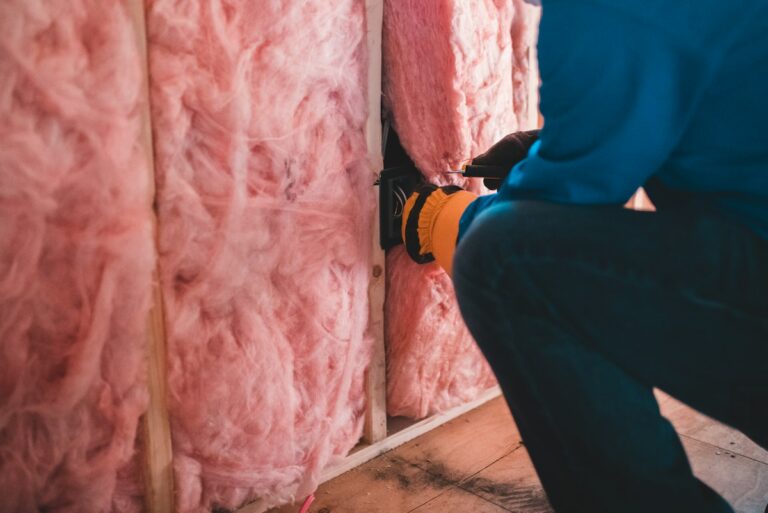
Photo: Annie Spratt / Unsplash. Stock image for context; not a photograph of a project reviewed in this article.